De Havilland Aircraft of Canada is entering a renewed phase of activity, signalling its long-term commitment to regional and remote aviation markets. After several years of industry uncertainty, the company is expanding its manufacturing capability and positioning itself to respond to growing demand for versatile turboprop aircraft. This resurgence comes at a time when many airlines worldwide are reconsidering their regional strategies, especially as short-haul networks regain strength and smaller aircraft types become increasingly important for community connectivity and economic development.
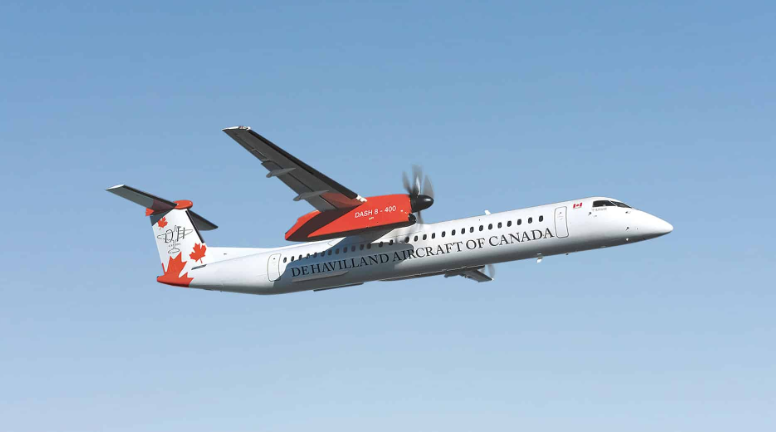
The renewed push by De Havilland reflects several market realities. Many airlines are facing ageing turboprop fleets, rising operating costs, and the need for aircraft that can reliably serve short, remote, or challenging routes. Turboprops remain one of the most efficient solutions for these missions, particularly in regions with limited infrastructure. De Havilland’s renewed interest in programs such as the Dash-8 and the Twin Otter positions the company to meet this demand with aircraft well known for reliability, rugged performance, and operational flexibility.
Recent commitments from operators in Asia, Africa, and North America suggest that interest in regional aircraft is recovering faster than expected. This trend is further supported by governments increasing their focus on regional connectivity, mobility access, and air links to developing or remote communities. De Havilland’s decision to strengthen its manufacturing base and explore programme restarts aligns with this global shift and could reshape regional aviation over the coming decade.
For airlines and investors, the revival of these programmes presents an opportunity to reassess route structures, fleet compositions, and long-term operating plans. As the aviation market diversifies, regions that depend on small-capacity aircraft are once again becoming central to broader connectivity strategies. De Havilland’s renewed direction suggests that regional aviation may be entering a new cycle of growth, driven by practical needs, economic efficiency, and evolving customer demand.
Aerolyceum helps operators, investors, and airports evaluate regional fleet options, market potential, and operational deployment. As De Havilland’s programmes regain momentum, we provide independent advisory services in fleet selection, route planning, operational feasibility, and strategic planning ensuring clients can make informed decisions that fit their long-term goals.
Copywrite Ownership : AeroLyceum Consultancy