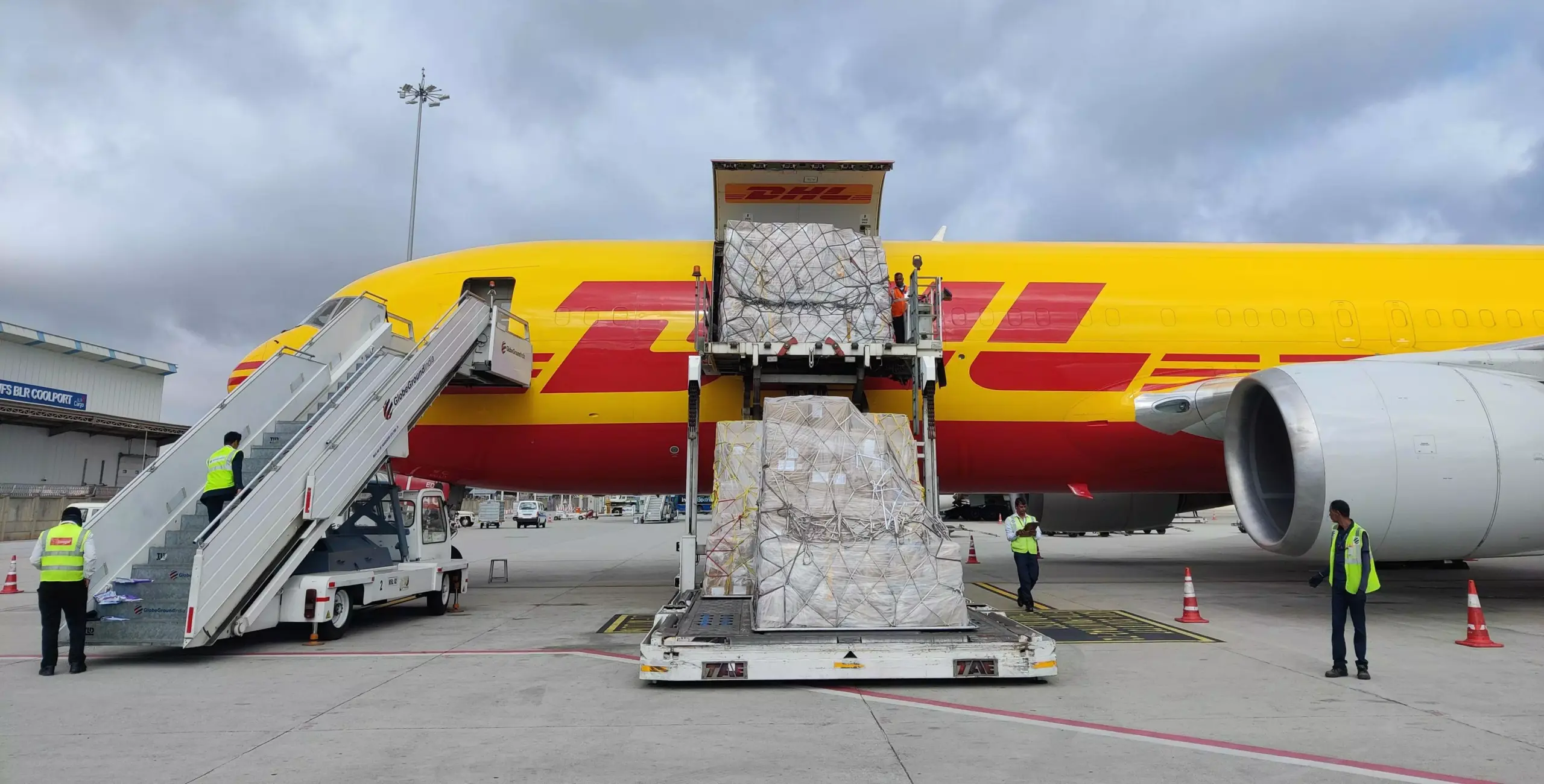
Global air cargo is gaining importance as geopolitical disruptions and the rapid expansion of artificial intelligence infrastructure increase demand for fast, reliable transportation. Recent industry reporting has highlighted how companies are turning to air freight to move urgent equipment for energy infrastructure repairs in the Middle East, alongside high-value technology products such as servers and graphics processing units used in AI data centres.
Unlike sea freight, which is generally more economical for large volumes of goods, air cargo offers speed when delivery time is critical. Equipment needed to restore damaged energy facilities, for example, may be required urgently to support essential operations. Similarly, the global expansion of AI data centres has increased the need to transport advanced computing equipment, which can be valuable, time-sensitive and difficult to replace quickly. These requirements are creating additional opportunities for cargo airlines and logistics providers.
However, the growing reliance on air freight also brings challenges. Air transport is typically more expensive than shipping by sea and can be affected by limited aircraft capacity, fuel-price movements, airspace restrictions and changing trade routes. Cargo operators must therefore balance urgent customer requirements with operating costs, network capacity and the risks associated with transporting goods through unstable regions. Companies also need to assess whether air freight is necessary for an entire shipment or only for its most urgent components.
The changing market demonstrates that air cargo is becoming an increasingly important part of supply-chain resilience. Rather than replacing sea shipping entirely, air freight provides an alternative when speed, reliability and the value of goods justify the additional cost. For cargo airlines, freight forwarders and airport operators, understanding these changing patterns will be essential when planning capacity and investing in future logistics services.
Aerolyceum supports aviation stakeholders with cargo market analysis, network planning and operational strategy. As businesses reconsider how they transport urgent and high-value goods, we help clients evaluate cargo opportunities, assess operational requirements and develop strategies that respond to changing international trade conditions.
Image Courtesy @ Stat Times
Copywrite Ownership : AeroLyceum Consultancy